
What Is Moha? Delusion as One of Buddhism’s Three Root Poisons

Moha means delusion, one of Buddhism's three root poisons. Here is what it actually means and why it matters.

What Are Anusaya? The Underlying Tendencies Vipassana Works On
Anusaya are the dormant mental tendencies Buddhist doctrine says lie beneath our reactions. Here is what the term means.
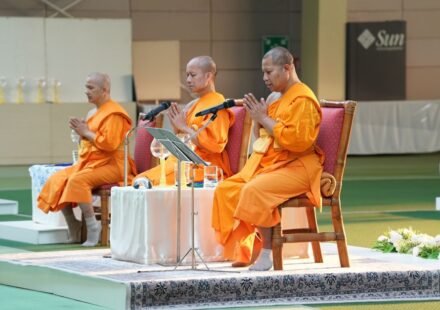
What Is a Sotapanna? The Four Stages of Enlightenment in Buddhism
A plain-English guide to sotapanna and the four stages of enlightenment in Buddhist doctrine, explained simply.
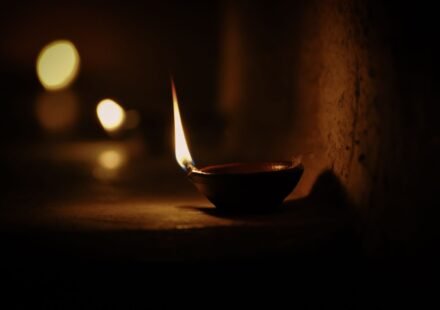
Dussehra and the Ravana Within: A Vipassana Reflection
Dussehra celebrates good winning over evil. Vipassana asks a quieter question: what about the Ravana inside us? A simple reflection for this festival.

What Is Dhamma Khetta? Inside the Vipassana Center Near Hyderabad
Dhamma Khetta is one of India's earliest Vipassana centers, near Hyderabad. Its history, size, and how to attend a course.
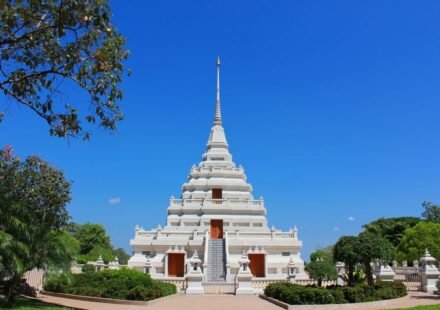
What Is Dhamma Setu? Inside the Vipassana Center Near Chennai
Dhamma Setu is the Vipassana center near Chennai. Its history, location, and what a 10-day course there looks like.

What Are Kilesa? The Mental Defilements Vipassana Aims to Weaken
Kilesa are the mental impurities Buddhist practice aims to reduce. Here is what the term means and where it shows up.

What Is Nibbana (Nirvana)? What the Vipassana Tradition Actually Says
Nibbana is the ultimate goal of Buddhist practice. Here is what the tradition actually says it is, plainly and modestly.

Right Mindfulness vs Right Concentration: What’s the Real Difference?
Samma sati and samma samadhi look similar but do different jobs on the Eightfold Path. Here is the actual distinction.

Right Effort: What Samma Vayama Actually Asks of You
Samma vayama, or right effort, means steady balanced effort, not too tense, not too slack. Here is what it means.