


















































Vipassana, the Vagus Nerve, and the Gut-Brain Connection: What Research Shows
Meditation is linked to higher vagal tone and gut-brain signaling. Here is what the research on meditation, the vagus nerve, and the gut shows.

Vipassana vs Acceptance and Commitment Therapy (ACT): What’s the Real Difference?
Vipassana and Acceptance and Commitment Therapy both use acceptance and mindfulness, but they aren't the same thing. Here's the real difference.
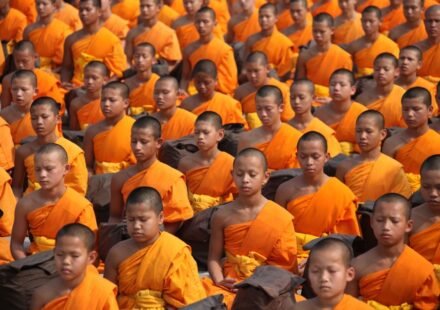
Is All Meditation the Same as Vipassana? Clearing Up a Common Confusion
Meditation is a broad category; Vipassana is one specific technique within it. Here is how to tell the difference and why it matters.
Goenkaji’s First Course in India, 1969: How It Actually Happened
In 1969, S.N. Goenka taught his first course in India, bringing Vipassana back after centuries. Here is what actually happened that year.

Avijja: Ignorance as the Root Cause Vipassana Ultimately Targets
Avijja, or ignorance, is described in Buddhist teaching as the deepest root of suffering. Here is what it means and how Vipassana addresses it.
What Happens If You Need to Cancel or Reschedule a Vipassana Course?
Vipassana courses run on donations, not fees, so "refund" works differently. Here is what to expect if you need to cancel or reschedule.

What Is Dhamma Vesali? A Vipassana Center 500 Metres From Buddha’s Relics in Vaishali
Dhamma Vesali sits near a stupa linked to the Buddha's relics in Vaishali, Bihar. Here is what the center is and why its location matters.

Can Vipassana Affect Aging at the Cellular Level? What the Telomere Research Shows
Some studies link meditation retreats to longer telomeres, a marker of cellular aging. Here is what the research says, and does not say.

Vipassana vs Cognitive Behavioral Therapy (CBT): How Are They Different?
Vipassana meditation and CBT both address the mind, but they work in different ways for different goals. Here is an honest comparison.

How Vipassana Practice Changes Parenting, According to Practitioners
How regular Vipassana practitioners describe changes in patience, reactivity, and presence as parents, and an honest look at the limited research behind it.