
One Center, Years in the Making
Israel has one permanent Vipassana center in the S.N. Goenka tradition, called Dhamma Pamoda. It sits next to Kibbutz Deganya Bet, close to the Jordan River and about two kilometers south of the Sea of Galilee.
The name Pamoda means joy. Before this center existed, organized Vipassana in Israel had no permanent home for roughly 20 years.
How Long It Took to Build
Local students in Israel ran hundreds of courses at rented sites long before they had their own land. Land for Dhamma Pamoda was finally purchased in March 2010.
The center opened in July 2014 and began offering courses year-round. That long gap between the first rented course and a permanent building is common in the global spread of Vipassana, where a lasting center often takes decades of local effort.
What the Center Looks Like
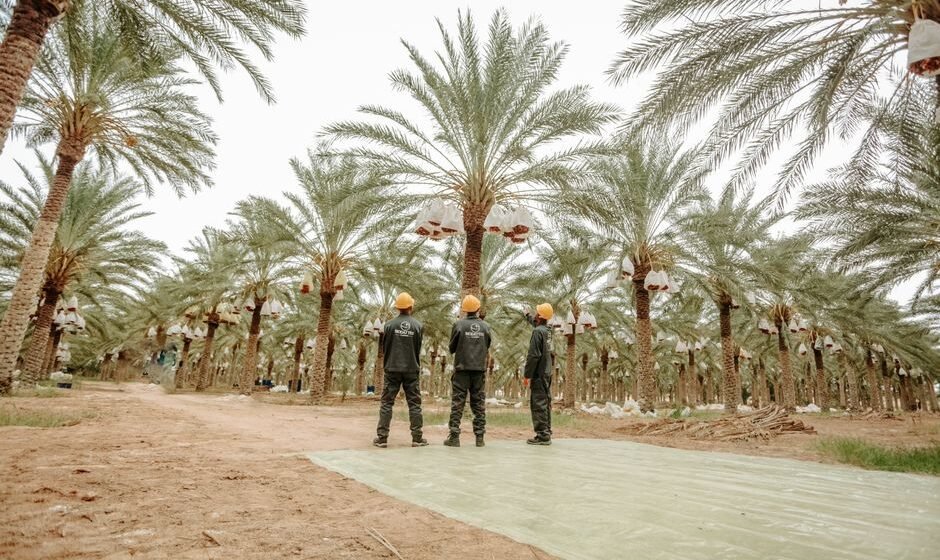
Dhamma Pamoda sits near a nature reserve and groves of date palms, close to open farmland. The setting is quiet and away from city noise, much like most Vipassana centers around the world.
The center has a meditation hall used for both group sittings and instruction. A new construction phase that began in 2025 is adding more residential buildings and a pagoda with individual meditation cells.
Languages Used at Courses
Courses at Dhamma Pamoda run mainly in Hebrew and English. Some courses are organized specifically for Russian-speaking students, reflecting Israel’s large Russian-speaking population.
As with Vipassana courses for non-English speakers anywhere in the world, instructions play through recorded audio in the student’s own language wherever possible.
Same Technique, Same Rules
Every course at Dhamma Pamoda follows the same ten-day structure used at every center in this tradition, from India to Southeast Asia. Students keep noble silence, follow a fixed daily timetable, and pay nothing for food or lodging.
This consistency is intentional. It is part of how Vipassana centers are run everywhere, regardless of country or culture.
Why Expansions Like This Matter
Pagodas with individual meditation cells are a common next step for growing Vipassana centers. Dhamma Khetta in Hyderabad and Dhamma Malaya in Malaysia both added similar cells once their main halls were established.
A pagoda lets returning students sit shorter, self-guided courses without needing a full ten-day group course running at the same time. Once Dhamma Pamoda’s pagoda is finished, it will offer that same option to Israeli students for the first time.
Signing Up for a Course
Because Israel has only one center, seats can fill up months in advance, especially for courses taught in Hebrew. Students who cannot get a seat right away should expect some wait time, similar to how long a Vipassana waitlist usually runs at busy centers elsewhere.
Applications go through the same central system used worldwide. See how to apply for a Vipassana course to get started.
Part of a Small Regional Network
Dhamma Pamoda is not just Israel’s only center, it is one of the few permanent Vipassana centers across the whole Middle East and Africa region. Most of the world’s centers sit in Asia, Europe, and the Americas.
That makes Dhamma Pamoda an important stop for meditators from nearby countries too, not only Israeli residents. Anyone traveling from elsewhere in the region has few closer options in this specific tradition.
Food and Daily Rhythm
Meals at Dhamma Pamoda follow the same simple, vegetarian pattern used at every center in the tradition. You can read more about what food looks like on a Vipassana course before deciding to attend.
Students stay in basic shared or single accommodation, depending on the center’s capacity at the time. The daily rhythm of sitting, resting, and eating stays the same whether the course runs in Israel, India, or anywhere else.
A Small but Growing Community
Israel’s Vipassana community is small compared to India’s, but it has stayed active for decades. The 2025 expansion at Dhamma Pamoda points to steady, ongoing growth rather than a one-time project.
For meditators in the Middle East, Dhamma Pamoda remains the closest permanent option in this specific tradition.
Want to actually learn Vipassana? This article is independent, informal writing, not official teaching. The technique itself is taught only at free, residential 10-day courses run by the Vipassana Research Institute in the tradition of Goenkaji. You can find a course near you at dhamma.org.