








































What Does Karma (Kamma) Really Mean in the Vipassana Tradition?
Karma does not mean fate or luck. Kamma means intentional action. Here is what it really means, and why Vipassana works at the level where it is made.

What Really Happens on the Last Day (Day 10) of a Vipassana Course?
Day 10 of a Vipassana course is when Noble Silence lifts. Here is what the morning, the talking, and the departure actually look like.

Can You Do Vipassana If You Have a Physical Disability or Health Condition?
Real, official guidance on doing a Vipassana course with a physical disability or health condition, and what the application actually asks.

What’s the Difference Between Anapana and Vipassana?
Anapana and Vipassana are two different stages of the same course. Here is what separates them and why the order matters.
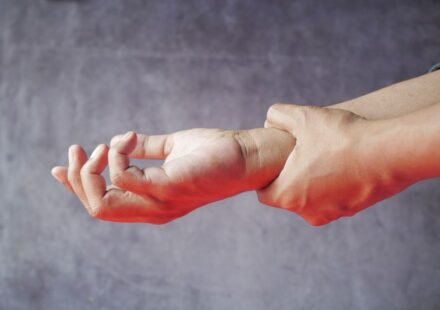
Why Is Physical Pain Part of the Vipassana Process?
Why sitting still through discomfort is part of a Vipassana course, and where the line is drawn for real injury or medical pain.

How Many Hours a Day Do You Actually Meditate on a Vipassana Course?
The real daily meditation total on a Vipassana course, roughly 10 hours, broken down session by session.

Why Do Vipassana Courses Only Teach Sitting, Not Walking Meditation?
Goenka's courses skip formal walking meditation on purpose. Here's the honest reason, and what breaks actually look like.
Can Vipassana Really Lead to Enlightenment? An Honest Answer
What enlightenment means in Goenka's Vipassana tradition, and why no teacher claims one course will get you there.

Can You Listen to Goenkaji’s Guided Meditations at Home Without Taking a Course?
Goenka's recordings exist, but here's the tradition's own honest position on using them without taking a course first.
What’s the Difference Between Vipassana and Zen Meditation?
A fair, simple comparison of Goenka's Vipassana and Zen meditation, covering method, format, and roots.